
How Digital Property Platforms Are Changing Professional Accountability

The property industry has traditionally relied on in-person relationships, referrals, and reputation. As property platforms move online, those informal trust signals are no longer enough. Digital environments require structured systems that help users identify credible professionals and make informed decisions. This shift has placed professional accountability at the centre of modern property platforms. The Move […]
Understanding Verification in Property Transactions

Property transactions involve significant financial and legal commitments, yet many people engage with property professionals without fully understanding how credibility is established online. As property platforms continue to grow, so does the need for clear systems that help users identify legitimate agents, agencies, and experts. Verification plays a critical role in addressing this challenge. What […]
The Hidden Risk in Property Deals — And How Proverix Solves It

Buying or renting property is one of the biggest decisions most people will ever make. Yet for many, the process begins with a leap of faith — trusting that the person on the other side of the screen is who they claim to be. Unfortunately, that trust isn’t always rewarded. When Property Platforms Don’t Verify […]
Why Verification Is the Missing Link in Modern Property Platforms

The property industry has gone digital — but trust hasn’t always kept up. While online platforms have made it easier than ever to browse listings and connect with agents, they’ve also opened the door to misinformation, impersonation, and costly mistakes. For many buyers and investors, the biggest risk isn’t the property itself — it’s who […]
The Property Agency Playbook Is Changing — Here’s How to Stay Ahead

For decades, property agencies have relied on the same formula: list more properties, answer more calls, follow up harder, and hope volume turns into conversions. But today’s buyers and sellers are different. They are more informed, more cautious, and far less patient. In this new market, the agencies that win are not the busiest — […]
The 2025 Autumn Budget & UK Property Market
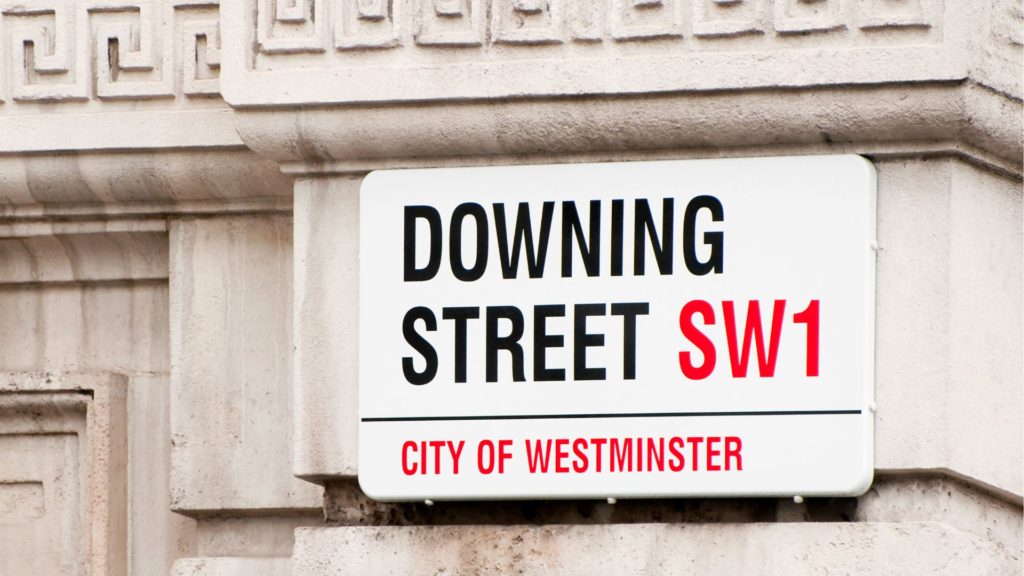
Is speculation around the 2025 Autumn Budget creating a slowdown in the property market? We explore implications for landlords.
We’ve all heard the buzz surrounding the 2025 Autumn Budget, and the predictions for landlords are mounting.
Putting the speculation to one side, in this feature, we move beyond the headlines to break down the real-world repercussions of these potential changes and uncover the unintended consequences they could unleash on the property market.
When is the 2025 Autumn Budget?
The 2025 Autumn Budget has been confirmed for Wednesday, 26th November, with the statement typically beginning at 12:30 pm.
How will the Budget Affect House Prices?
House price growth is already slowing down in the run-up to the November Autumn Budget, which has been driven by a pause in buyer activity, according to the latest analysis from Zoopla.
The annual rate of house price inflation dropped to 1.4% in the year to August 2025, bringing the average UK home value to £271,000. However, this slowdown is not entirely unexpected; it is a common occurrence for caution to enter the property market during times of financial uncertainty, especially in the run-up to a major government fiscal statement.
While the wider mainstream market remains largely unaffected according to Zoopla’s latest house price index, uncertainty over potential tax changes has clearly begun to weigh on activity in the premium sector (homes priced above £500,000). This speculation has prompted some movers to delay decisions.
When it comes to the £500,000+ market, buyer demand is 4% lower and new listings are 7% lower compared to a year ago.
The effect is even more evident in the £1m+ price point, where buyer demand has dropped by 11% and new listings are down by 9%.
With potential tax changes around the corner, the hesitation among higher-value buyers and sellers is fuelled by a desire to potentially save on Stamp Duty or avoid being caught by a new tax, making a “wait and see” approach a common approach for homebuyers. This impact will be felt most keenly in regions with a high concentration of premium or higher-priced properties, such as London and the South East.
Proposed NI Tax on Landlords
The proposed National Insurance (NI) tax is the latest in a series of measures that have increased the cost of being a private landlord, and many industry experts warn it could be the final straw for some landlords.
The Resolution Foundation has proposed levying a 20% basic rate NI (with an additional 8% on income over £50,270) on rental earnings, which are currently exempt for most non-professional landlords.
This new tax would represent a substantial increase in the overall tax bill for individuals, particularly those who are higher-rate income tax payers already grappling with the cumulative impact of recent changes.
Industry critics warn that rising costs will push more individual landlords to sell up, reducing the supply of rental properties and inevitably driving rents higher for tenants.
With a potential exemption for properties held in a Limited Company (Ltd) structure, landlords may seek to hold future property purchases within an Ltd structure to mitigate their tax exposure.
Imposing National Insurance on rental income risks creating a vicious cycle: landlords exit the market, supply shrinks, and rents surge. This lack of strategic foresight regarding market dynamics would ultimately reduce housing affordability for tenants, increasing reliance on already stretched social housing resources.
Capital Gains Tax on Housing
The government is also reportedly considering the removal of Capital Gains Tax (CGT) relief on the sale of primary residences above a certain value, which could potentially be a dramatic shift in the UK property market.
CGT, a tax on profit from asset sales, currently exempts main homes, but proposals include taxing gains on sales above a threshold. Alternatively, another consideration is that a levy on homes above £500,000 could replace Stamp Duty Land Tax (SDLT).
Should CGT be applied to main residences, the consequence could stall the housing market, as homeowners with significant gains may be unwilling to sell and face a large tax bill.
This reduced mobility would be felt most acutely in high-value regions like London and the South East, potentially freezing a market key to the wider economy and creating regional inequities.
This measure risks a “pricing cliff edge,” where sellers deliberately price homes just below the threshold to avoid the tax, and a general reduction in high-value transactions. While critics warn this could prevent the Treasury from raising the intended revenue, supporters argue the move is necessary to rebalance the tax system, shifting the burden onto property wealth and bringing the UK in line with international norms that cap main residence exemptions.
Stamp Duty Tax Changes
The potential for a Proportional Property Tax to replace Stamp Duty Land Tax (SDLT) on owner-occupied homes (for properties over £500,000 and paid by the seller) could have mixed consequences for the wider housing market.
Shifting the tax burden from the buyer to the seller may improve affordability and liquidity for owner-occupiers, encouraging market movement by making the upfront cost of purchasing a primary residence lower.
However, this approach could create a market distortion with an artificial ceiling on property values. What’s more, the regional impact could prove jarring for property markets in London and the South East, where many family homes fall near the proposed thresholds, leading to greater market friction and potentially stalling mobility in those key regions.
Potential 2025 Autumn Budget Consequences
With the 2025 Autumn Budget just around the corner, the rush to meet the Chancellor’s self-imposed fiscal rules appears to be driving a series of property tax proposals that risk significant unintended consequences and feel inherently unfair to homeowners and landlords.
The prospect of levying Capital Gains Tax on main residences, for instance, could not only wipe value off the market but also introduce a detrimental perverse incentive: homeowners may be less inclined to invest in essential improvements, such as energy-efficient upgrades, if the resulting increase in property value simply attracts a larger tax bill upon sale, ultimately leading to a lower quality of housing stock across the board.
Adding the proposed NI tax to landlords’ rental income is explicitly forecast to increase rents by accelerating the exit of private investors, further reducing housing affordability for tenants.
The market is also confused by the government’s direction on transaction costs. While the Conservative government has pledged to scrap Stamp Duty Land Tax (SDLT), Labour is considering replacing it with new seller-paid taxes. This dramatic shift in focus signals a fundamental disagreement over whether the tax should be eliminated to aid market mobility or redesigned to extract wealth from property sales.
Whilst nothing is set in stone, the risk of severe market distortion and pricing cliff edges strongly suggests the Chancellor’s fiscal framework should be more flexible to avoid generating such detrimental outcomes.
Article: The 2025 Autumn Budget & UK Property Market – Copyright Property Notify Limited – All rights reserved. – Property Notify.
The Vital Role of Transparency and Trust in Modern Real Estate Dealings

Trust in property dealings isn’t just a nice-to-have—it’s the foundation of every successful real estate transaction. Without clear real estate transparency, you risk hidden pitfalls that can cost time and money. That’s why the Proverix platform connects you with trusted property professionals who keep everything upfront and honest. Let’s explore how transparency builds confidence and […]
Navigating the Rental Market: Essential Tips for First-Time Landlords

Entering the rental market as a first-time landlord can feel overwhelming. You’re juggling rental agreements, tenant needs, and property management all at once. With the right rental market tips, you can handle these challenges confidently and avoid common pitfalls.
The Power of Verified Agents in Boosting Property Transaction Success

You’ve probably felt the stress of dealing with property transactions that drag on or hit unexpected snags. That’s often because the right professionals weren’t involved. Verified agents bring clarity and trust to every step, making real estate success more than just a hope.
Unlocking the Power of Data-Driven Home Valuations

Data-driven home valuation is changing how you see property values in the real estate market. Relying on guesswork or outdated info can cost you thousands. With accurate market insights, you gain the confidence to make smart decisions when buying, selling, or investing.